Cities Driving Nutrition, with National Governments as co-pilot
Cities are uniquely positioned to shape healthier food environments, but they cannot do it alone. National policies, technical support, and multi-level governance are essential to enable local governments to turn ambition into action.
This challenge was at the heart of the session Cities Driving Nutrition: Linking Policy and Practice for Sustainable Diets, co-organised by ICLEI CityFood and the Government of Brazil during the Rome Nutrition Week in May 2026. Bringing together representatives from national and local governments, international organisations, and research institutions, the discussion explored how coordinated action across governance levels can improve nutrition outcomes while addressing broader challenges such as climate change, food insecurity, and urbanisation.
Cities deliver, national governments pave the way
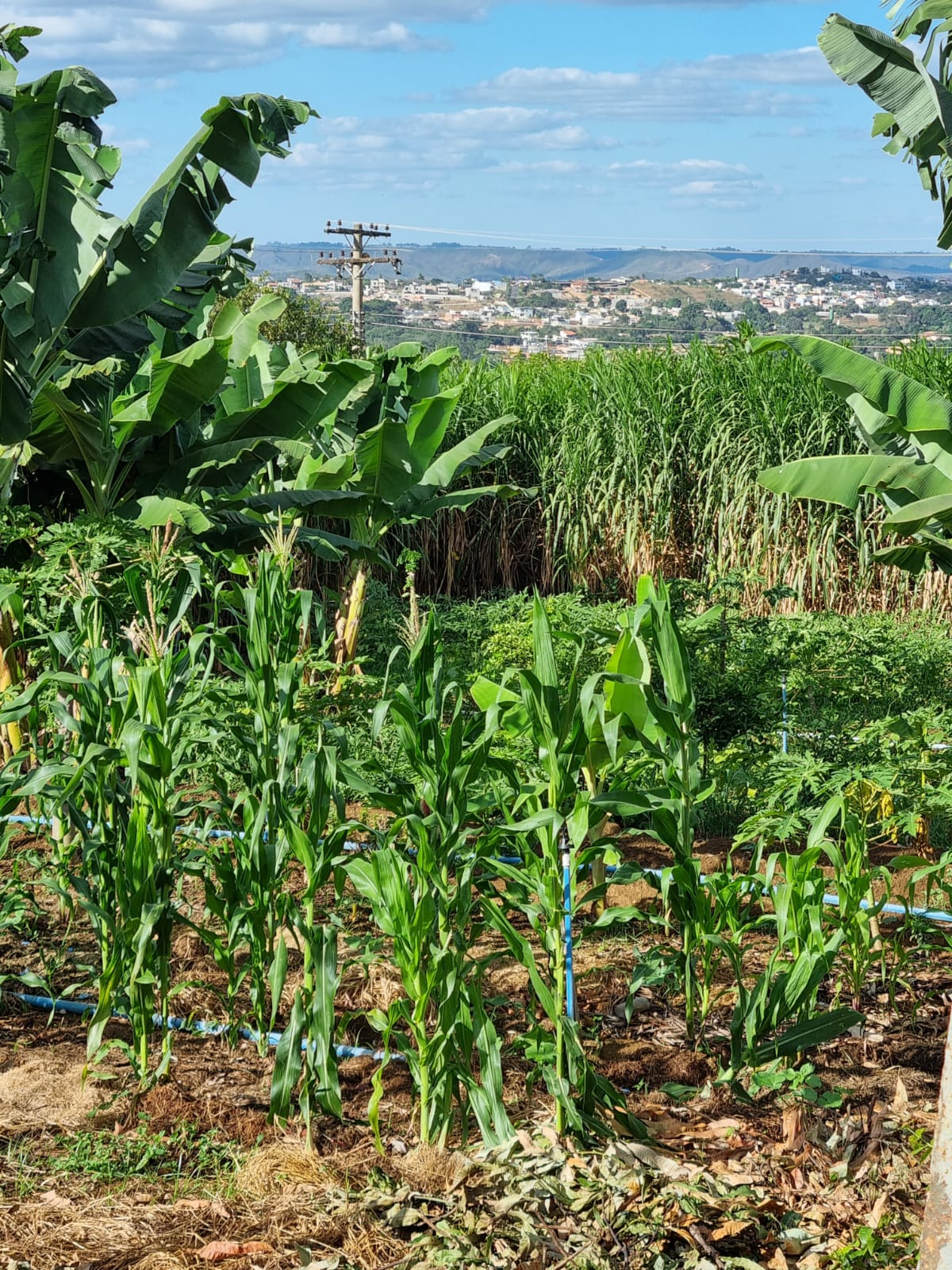
The session opened with insights from Brazil's Alimenta Cidades (Feed the Cities) Strategy, presented by Gisele Bortolini, General Coordinator for the Promotion of Healthy Eating in Brazil's Ministry of Social Development, Family and Fight Against Hunger. Brazil has placed urban food systems at the centre of its national food agenda, and for good reason. Of the country's 6.4 million people experiencing hunger, more than 5.2 million live in cities. The strategy responds to interconnected challenges including food insecurity, unequal access to healthy food, fragile supply chains, and the growing impacts of climate change.
Brazil's experience offers an important lesson for food systems transformation: national governments can create enabling frameworks that provide cities with the resources, knowledge, and governance structures needed to act, rather than impose standardised solutions. Through Alimenta Cidades, the federal government supports municipalities with technical assistance, training, diagnostics, mentoring, and opportunities for peer learning. At the same time the program allows cities to develop solutions tailored to their own realities, and fosters intersectionality as an everyday management practice to connect health, social assistance, agriculture, education, urban planning, economic development, and climate action.
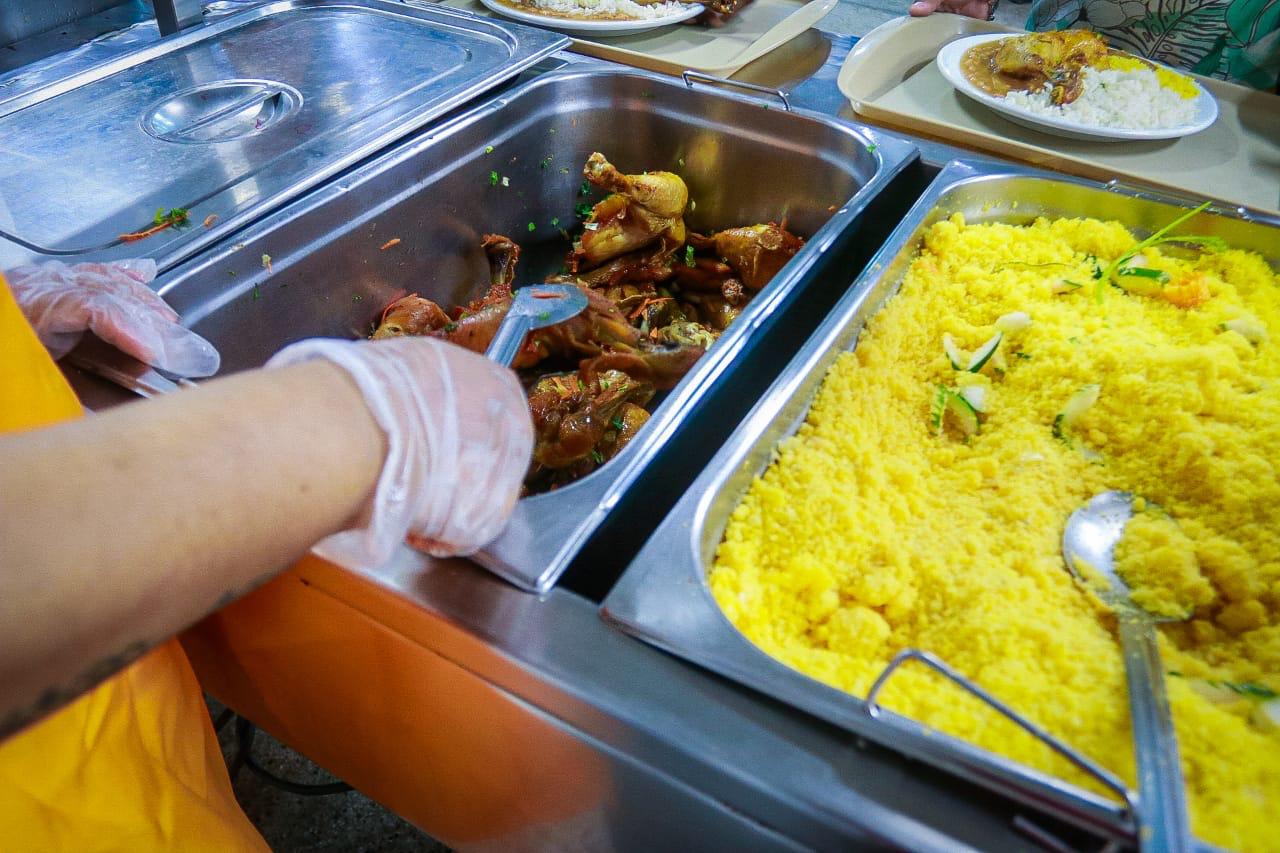
And to testify to the on-the-ground implementation Natalia Outtes, manager of the Food and Nutritional Security Unit in city of Recife, shared ongoing efforts to improve nutrition and promote healthier diets through its active participation in the Alimenta Cidades, illustrating how national frameworks can support cities at different stages of their food systems journey.
Local Solutions, Local Context
Wile national frameworks provide direction, change ultimately happens on the ground. The examples shared throughout the session demonstrated how cities are translating nutrition goals into practical solutions that respond to local needs and realities.
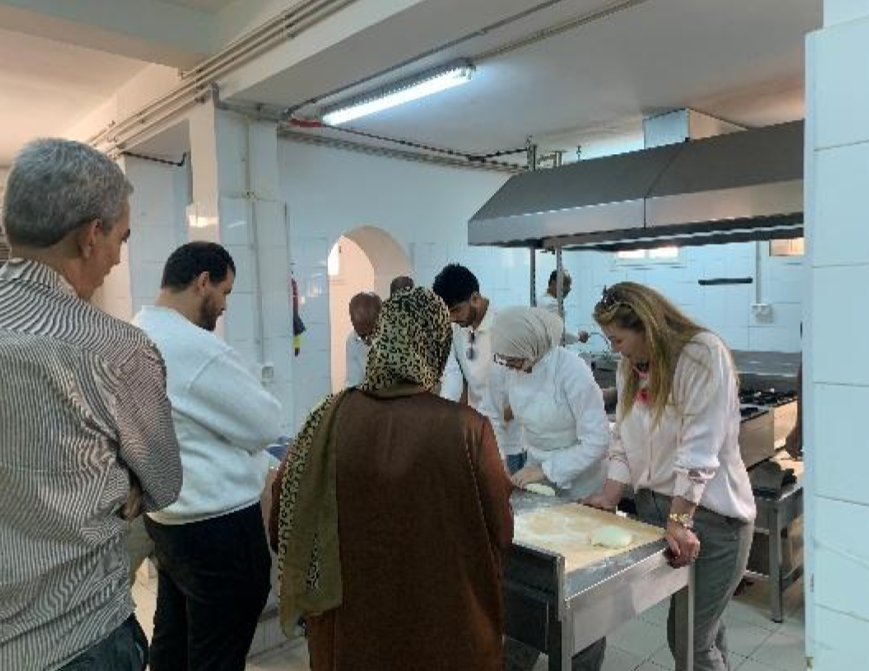
In Tunis, researcher Sonia Sassi presented an innovative initiative implemented through the AfriFOODlinks project to improve the nutritional quality of subsidised bread, one of the most widely consumed foods in Tunisia. By gradually reducing salt content, increasing flour extraction rates, and providing training for bakers, the programme demonstrated that small changes to a staple food can have significant public health benefits while maintaining consumer acceptance.
The initiative offers a powerful reminder that improving nutrition is not always about introducing new foods or behaviours. Sometimes, it is about making everyday foods healthier and ensuring that healthier options remain affordable and accessible.
“Food reformulation is not just about changing a recipe, it is about transforming population health."
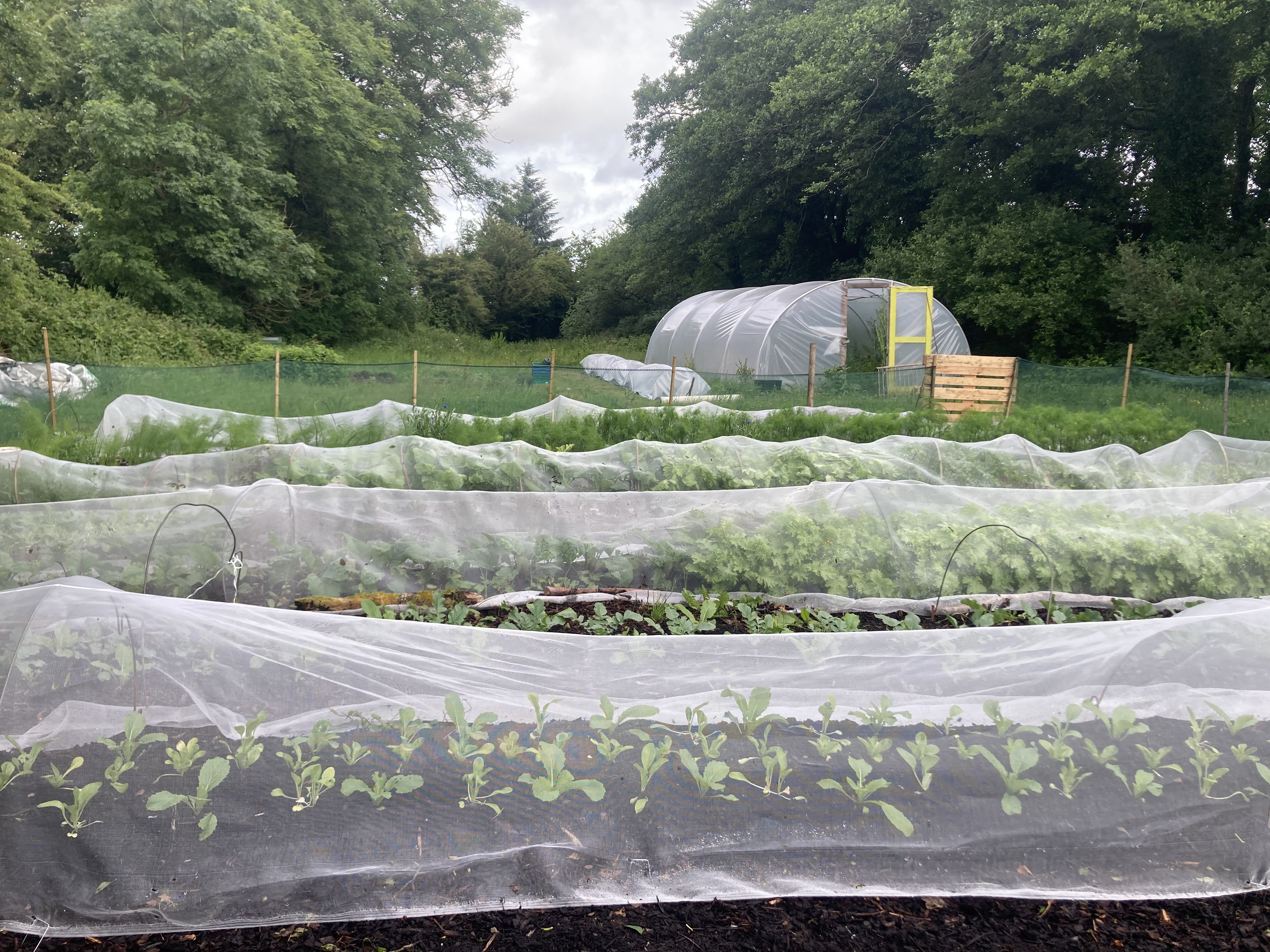
Meanwhile, Cork City showcased how nutrition objectives can be integrated into broader urban development strategies. Sandrine Bertin, Food Policy Development Officer at the municipality, highlighted the city's efforts, supported by the FEAST project, to co-create a Sustainable and Healthy Food Strategy through collaboration with local growers, communities, and young people. Through initiatives such as a City Food Hub, a Test Site Incubator for aspiring food growers, and partnerships to secure land for future food production, Cork is strengthening local food production while advancing existing city policy goals. The approach demonstrates how food policy can simultaneously support nutrition, community development, and local economic resilience.
Planning Cities for Better Nutrition
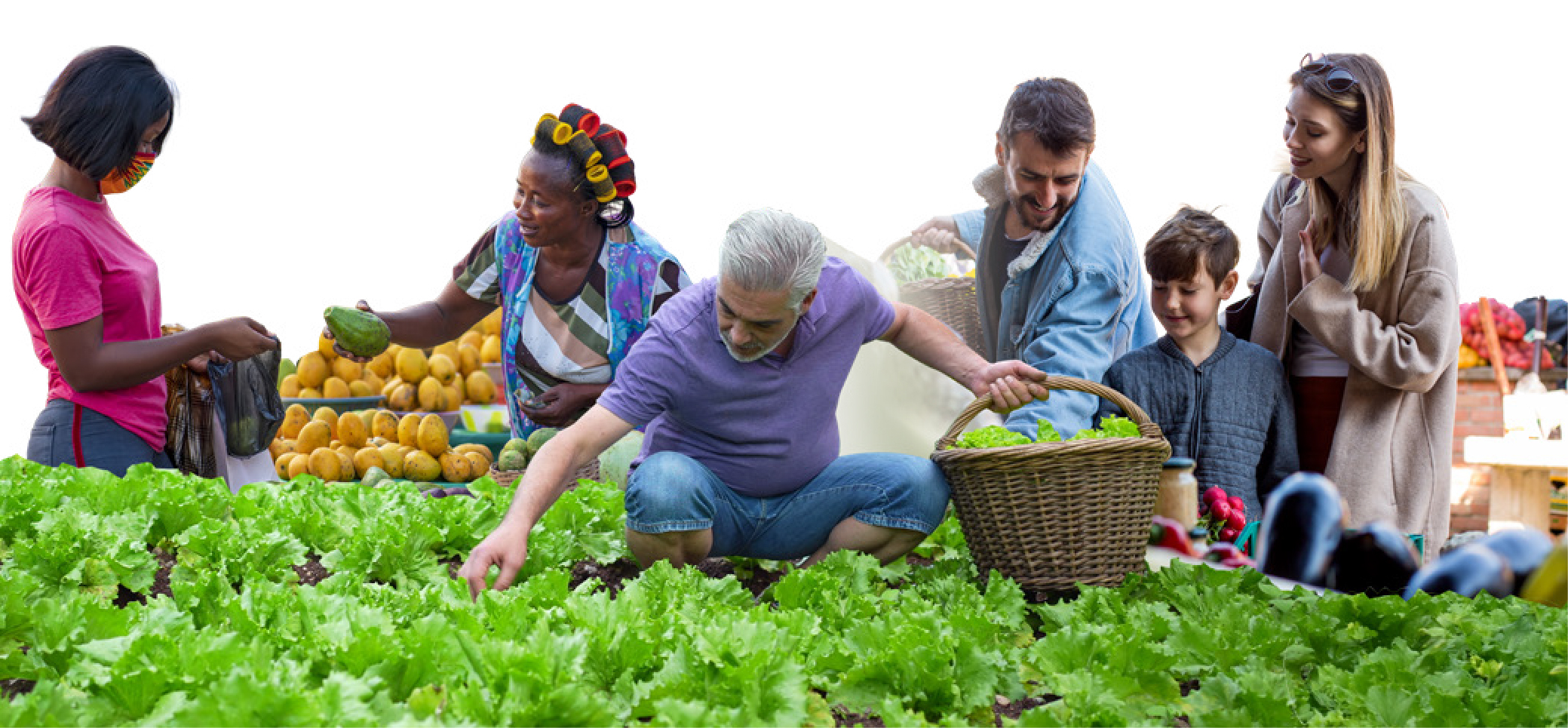
Nutrition outcomes are shaped long before food reaches consumers. Decisions about land use, transport infrastructure, market locations, and urban expansion directly affect the nutritional quality, affordability, and accessibility of food. And these decisions are made in city councils!
Grace Githiri, manager of Urban–Rural Linkages Programme at UN-Habitat and representing UN-Nutrition brought this aspect to life through a simple yet revealing story: Zoe is a farmer who wakes before dawn to harvest the fresh, nutrient-rich vegetables she grows. Yet getting those vegetables to the city is a long and difficult journey, and when she arrives the vegetables are often no longer so fresh. Middlemen have taken their share and her earnings are minimal. At the same time, a customer stands in front of the market wondering why fresh vegetables are so expensive and harder to find?
Nutrition is therefore not only a health issue or an agricultural issue, it is also a planning issue. When designing solutions cities must take into account their local context. Protecting peri-urban agricultural land, strengthening direct connections between producers and markets, and integrating food considerations into urban and territorial planning can all help create healthier and more resilient food systems that benefit both farmers and consumers. While one city solution might be in urban agriculture, another may be in strengthening farmers markets and improving urban-rural transport networks.
Food Markets as Essential Public Infrastructure
.png)
f healthy diets depend on healthy food environments, then food markets are one of the most important pieces of the puzzle. Building on the discussion around urban planning, Jiwon Lee, Head of Food Systems at ICLEI World Secretariat and Principal Co-lead for ICLEI CityFood, highlighted the critical role that local food markets play in supporting nutrition, particularly for low-income households. Across cities worldwide, traditional markets remain a primary source of fresh produce and diverse foods while also providing livelihoods for local producers and vendors. Yet despite their importance, food markets are often overlooked in urban planning and investment decisions. Lee argued that local governments should treat food markets as essential public infrastructure and use tools such as spatial planning, zoning, and infrastructure investment to strengthen them. Well-located markets with reliable services, food safety measures, and adequate facilities can significantly improve access to healthy food while supporting local livelihoods.
Collective action for nutrition
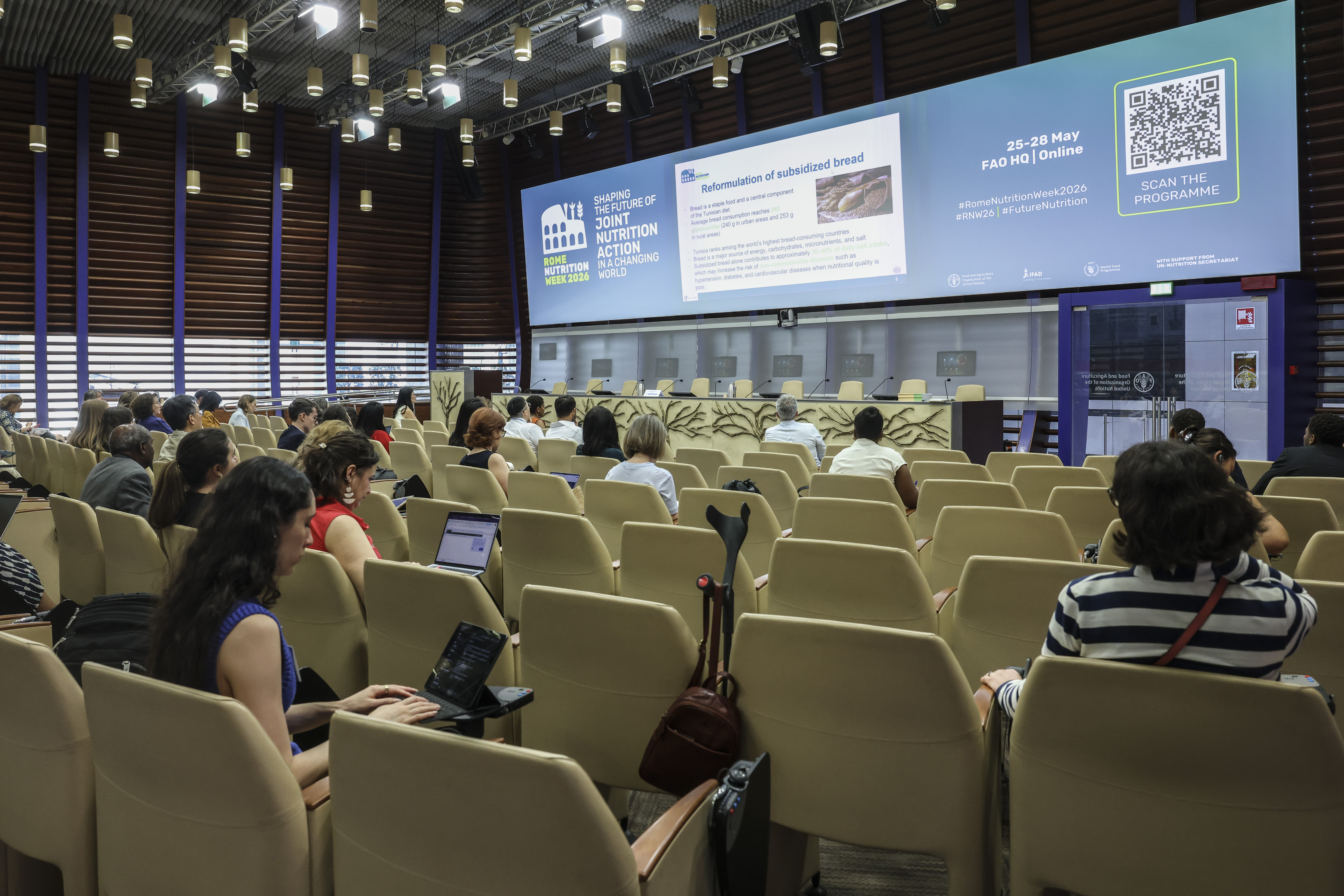
The session concluded with a shared recognition that healthier, more sustainable and resilient food systems will only be achieved through collective action. While national governments can provide direction, capacity, and support, cities translate these frameworks into action. International organisations, researchers, civil society, and communities all have a role to play in building the partnerships needed for lasting change. From Recife to Tunis to Cork, such partnerships are already demonstrating what is possible. The challenge now is ensuring they have the support, resources, and enabling policies needed to scale their impact.
Because when cities plan nutrition, everyone benefits.
You missed the session? You're still in time to watch it here: https://www.youtube.com/watch?v=aSWbhZmJA6w
Publishing date:
Related projects